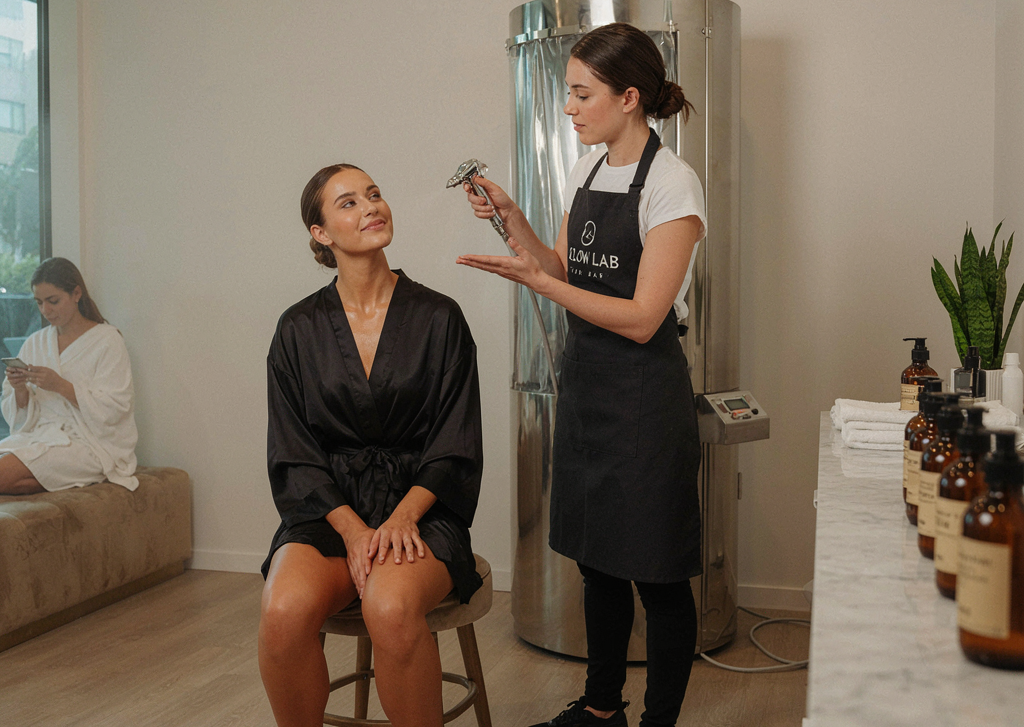
Spray tan timing is one of the most common questions in Hampton Roads salons, and it’s also one of the easiest to get wrong by a day or two in either direction. How many days before an event should you get a spray tan Two to three days is the standard window, and the reasoning behind it comes down to how the tanning solution actually develops on skin, not just tradition or guesswork. Getting a UV tan does make some differences to the numbers, because this procedure is based on two or three quick visits throughout the week before the event.
It will depend on the nature of the event itself, as well. For instance, preparing for a wedding at Sandbridge is one thing, but preparing for a prom at Chesapeake is another, as are prepping for a trip to the Outer Banks versus getting ready for a Saturday night out in Norfolk. The following sections will outline the entire timeline in order, as well as the adjustments that need to be made in each case. The skin and seasonal factors that shift it, and the mistakes that most often throw the schedule off.
Both methods work, but they run on different clocks, and mismatching the method to the timeline is where most last-minute frustration comes from.
A single date on the calendar generally calls for spray tan, since the timeline is short and the result is predictable. Color meant to last through a whole season of events is better served by a UV routine started well in advance, rather than compressed into the final week.
The step which is most likely to be forgotten is this one, and this is what causes the tan to come out patchy instead of evenly distributed. The process of exfoliating starts about two weeks before the application of the solution and occurs every few days, paying special attention to the elbows, knees, ankles, and hands. This is because these parts retain more dead skin cells and are not able to absorb the tanning solution evenly.
Moisturizing matters during this window too, though the type of product matters as much as the frequency. A lighter, water based lotion is the better choice over this stretch, since oil based products create a barrier on the skin’s surface that blocks even absorption, one of the more common causes of streaking.
Booking early carries a practical advantage as well. Salons across Hampton Roads, including the Virginia Beach, Chesapeake, and Norfolk locations, fill quickly once wedding season and prom season begin, generally from spring through early fall. Scheduling the appointment during this 10 to 14 day window secures a better time slot than waiting until the week of the event.
At the one week mark, the method should already be decided and the appointment locked in. For spray tan, that means confirming the appointment for two to three days before the event. For UV tanning, the first session typically falls within this window.
A few products should be paused regardless of method. Retinoids, harsh scrubs, and strong exfoliants should stop roughly a week out, since irritated or actively resurfacing skin doesn’t absorb tanning solution or UV exposure evenly.
UV sessions during this week should stay short rather than long, building color gradually instead of trying to accelerate it. For spray tan appointments, sharing event details with the technician, what’s being worn, whether the setting is indoor or outdoor, the desired depth of color, allows the technician to adjust the application accordingly. An outdoor July wedding in Suffolk calls for different choices than an evening indoor reception.
This is the core of the timeline, and the one part of the schedule least worth compromising on. For anyone asking when to get a spray tan before an event, this two to three day window is the answer the rest of the timeline is built around.
After application, the active tanning ingredient, DHA, takes roughly 8 to 24 hours to fully develop on the skin. That’s only the first stage. Following the first rinse, usually the same evening or the next morning depending on solution strength, the color continues to deepen for another day or so. By the second or third day, the tan reaches its finished, settled shade rather than the darker bronzer guide color visible immediately after application.
Booking too close to the event, the night before, leaves the color still in the process of developing. Booking too early, more than four or five days out, risks visible fading before the event even begins, since most spray tans hold peak color for about 5 to 10 days before gradually lightening. For anyone weighing how long before an event should i get a spray tan, two to three days is the range that avoids both problems.
Once the initial rinse has been done, hydration must be maintained through the use of a fragrance free lotion. Excessive sweating and swimming should also be avoided because both these activities happen to be the quickest ways of causing uneven fading of the tan, especially in areas where there is friction from clothing – the inner portion of elbows and the back of knees.
Choice of clothing is also important during this time especially when it comes to a wedding in Gloucester or even beach activities in Smithfield. The waistbands of the trousers and the straps of the bra often tend to cause light marks exactly where they shouldn’t be for a picture. Natural fiber fabrics such as cotton and even a mixture of linen will perform better compared to synthetic fabrics that cause retention of body heat and moisture thereby causing the tan to fade faster in those areas of the body in which the fabrics come into contact.
By the day of the event, color should be fully developed and even. A quick pat down with a towel addresses any residue, followed by a light moisturizer. No touch ups should be necessary when the two to three day window has been followed correctly.
Product choice on event day itself is worth a brief note as well. Regular body lotion is suitable for most individuals, but a moisturizer designed especially for use on tanned skin, known as a tan extender, will ensure that your color remains deep for a longer period following the event. The tan extenders usually have a very small portion of DHA or bronzing agent to complete the fading color instead of just moisturizer. They are not absolutely necessary but are a sensible choice for those who have an event spread over multiple days, such as a wedding weekend.
The two to three day rule applies broadly, though certain events carry their own considerations, and the best time to get a spray tan before an event often depends on what that event actually is.
Weddings. The primary booking should be two to three days prior to the wedding date, while there is an additional appointment made weeks before that to ensure the correct color is chosen before trying on dresses and getting photographed. The last-minute booking could be avoided especially by brides because a lot of things have to be sorted out during that period of time.
Prom. Chesapeake and Virginia Beach salons book out quickly once prom dates are set, often weeks in advance. The two to three day rule still applies, but the appointment should be locked in as soon as the date is confirmed rather than closer to the event.
Photoshoots. Two days out tends to produce the best result for photography specifically. The color has time to soften slightly from its just applied intensity, reading more naturally under both studio lighting and outdoor sun.
Vacations. For trips to the Outer Banks or Sandbridge, one to two days before departure provides a base color for arrival photos along with some added coverage during the first few sun-exposed days.
Evening events. In case of a Saturday event, booking on Thursday or Friday morning would be optimal.
Scheduling the appointment the night prior to the event is the most common mistake made when scheduling an appointment. While it sounds convenient, the result is that there isn’t enough time for the color to completely set in. It causes the tone not to be evenly set or there to be an odor that persists.
Over exfoliation prior to the appointment is a similar problem. Exfoliating lightly anywhere from 10 to 14 days prior is recommended; scrubbing the day prior means removing the layer of skin that will allow the color to stick around for longer periods of time.
Skipping the conversation with the technician is a smaller but consistent mistake. Sharing details about the event, what’s being worn, indoor versus outdoor setting, allows the technician to build an appropriate depth of color rather than applying a standard approach.
Tanning over a new tattoo also requires a different process than tanning over healed skin. Getting this step wrong can affect both healing and the final color result check how to protect a tattoo in a tanning bed article.
The two to three day window serves as a reliable starting point, though several factors can shift it slightly.
Lighter skin tones tend to develop color faster and may look more vibrant right away. Going for the shorter duration, around the two-day mark, in addition to using a lighter solution, usually yields more natural results.
Deeper skin tones sometimes show a subtler initial result that deepens more noticeably after the first rinse. The full two to three day window allows that deepening to occur before the event rather than after.
Dry skin absorbs tanning solution unevenly, which is precisely why early exfoliation matters. An additional light exfoliation session about five days before the appointment, paired with daily water based moisturizing, helps offset this.
Summer conditions in Hampton Roads bring heat and humidity that increase sweating beyond what’s typical in other seasons, which shortens how long a tan holds its color. Outdoor summer events in Virginia Beach or Sandbridge benefit from staying closer to the two day mark than the three day mark, along with cool, loose clothing available before the event itself.
Cooler months introduce dry indoor heat, which draws moisture from the skin and can cause uneven fading. Daily moisturizing after the appointment becomes more important during these months than in summer.
Sensitive skin deserves separate consideration, since it receives less attention than fair or dry skin typically does. A patch test a few days before the actual appointment is worth requesting for anyone with a history of skin reactions to new products, since it takes only a few minutes and avoids discovering a reaction during the same week as the event. Previous experience with uneven color buildup is also worth mentioning to a technician in advance, since exfoliation guidance and solution strength can be adjusted accordingly.
Coordinating tans for a bridal party, a prom group, or a group trip follows the same two to three day window, with some additional planning involved. Booking all members of the group back-to-back allows their color to develop at the same rate, thus avoiding the awkward situation where one member’s color has completely developed while the other’s is yet to be completely developed.
Group scheduling is best arranged directly with the local Sundays location, since weekends during prom season and peak wedding months fill quickly. A shared time slot is considerably easier to secure a few weeks in advance than during the week of the event.
How many days before an event should you get a Sundays spray tan?
A minimum of two to three days out is the right amount of time. This ensures that the color will have been given enough time to fully develop and set into its true color since your initial rinse; however, it will also be not too far from the actual event date so that there is no fading to speak of yet.
How soon can I shower after a spray tan ?
It takes at least 8 to 12 hours before rinsing after an artificial tanning session. Shaving too early results in the process of developing being shortened, leaving you with a lighter and less even tan. When rinsing, be sure to use only lukewarm water without any soap or body wash.
How to get the darkest tan ?
Building the darkest possible color comes down to consistent exfoliation before the appointment, choosing the right solution strength for skin type, and proper aftercare once the tan is applied. A full breakdown of that process is available in a separate guide focused specifically on maximizing depth of color
How to protect tattoo in tanning bed ?
Fresh tattoos need a different approach than the rest of the skin, since UV exposure and tanning solution both interact differently with healing ink than with regular skin. The full process, including what to cover and when tattooed skin is ready for tanning, is covered in more detail in a dedicated guide.
What should I do to keep my Sundays spray tan looking fresh ?
The skin must be moisturized on a daily basis using a non-scented and light lotion, avoid sweat-inducing activities such as sports and swimming for 24 hours, and do not use oil-containing products. With proper care, it will last 5 to 10 days.